
Building Success: The Role of Scaffolding in Industry Solutions
Apr 26,2025


Introduction: The Backbone of Construction
When you think of construction, what comes to mind? The towering skyscrapers, intricate bridges, and even cozy homes all start with a solid foundation. And right there, nestled in the midst of bricks and beams, is a crucial element: scaffolding. This temporary structure not only supports workers but also ensures safety and efficiency. Let’s dive into how scaffolding serves as the backbone of industry solutions.
What is Scaffolding?
At its core, scaffolding is a framework used to support construction workers and materials. Picture it as the skeleton of a building, providing the necessary support to carry out tasks at various heights. It’s made from materials like steel and aluminum, designed to be robust enough to hold significant weight while remaining flexible enough to be reconfigured for different projects. Pretty nifty, right?
Why is Scaffolding Important?
Now, you might be asking, “Why go through the hassle of setting up scaffolding?” Well, here’s where the rubber meets the road. The benefits are numerous:
- Safety First: Accidents happen, but scaffolding minimizes risks. It provides stable platforms for workers to stand on, reducing the chances of falls.
- Increased Efficiency: With scaffolding, workers can access hard-to-reach areas easily, speeding up the construction process. No more awkward balancing acts!
- Versatility: Whether it’s a small home renovation or a massive skyscraper, scaffolding can be tailored to fit the needs of any project.
Types of Scaffolding
Not all scaffolding is created equal. Here’s a quick rundown of some common types:
- Frame Scaffolding: The most common type, made of steel frames that are easy to assemble and disassemble.
- Suspended Scaffolding: This type dangles from above, perfect for high-rise buildings where ground scaffolding isn’t feasible.
- Rolling Scaffolding: Equipped with wheels, it can be moved around easily, ideal for tasks that require mobility.
Scaffolding in Action: Real-World Applications
Let’s take a look at how scaffolding plays a pivotal role in various industries:
- Construction: From residential homes to commercial skyscrapers, scaffolding is an essential part of the building process.
- Maintenance: Think about all those tall structures that need upkeep. Scaffolding allows workers to safely reach high areas for repairs.
- Film Production: Ever noticed those elaborate sets constructed for movies? Yep, scaffolding is often used to create those stunning backdrops.
Challenges and Considerations
While scaffolding is incredibly beneficial, it’s not without its challenges. Weather can pose a threat, especially in windy conditions, making it crucial to secure structures properly. Additionally, the setup and dismantling process can be time-consuming, which might seem like a drag at first. However, the long-term benefits far outweigh these temporary inconveniences.
The Future of Scaffolding
As technology advances, the world of scaffolding is evolving too. Innovations like modular scaffolding systems are making setups quicker and more efficient. Even the materials used are changing, with eco-friendly options on the rise. Who knew scaffolding could be so cutting-edge?
Conclusion: A Solid Foundation for Success
In the grand scheme of construction, scaffolding may seem like a minor player, but it’s anything but. It’s the unsung hero that keeps projects safe and efficient. So, next time you see a construction site, remember the vital role this temporary structure plays in building our world. Here’s to scaffolding—may it continue to rise, quite literally!
Latest News
The purchase of the crawling net and the matters needing attention in safe use
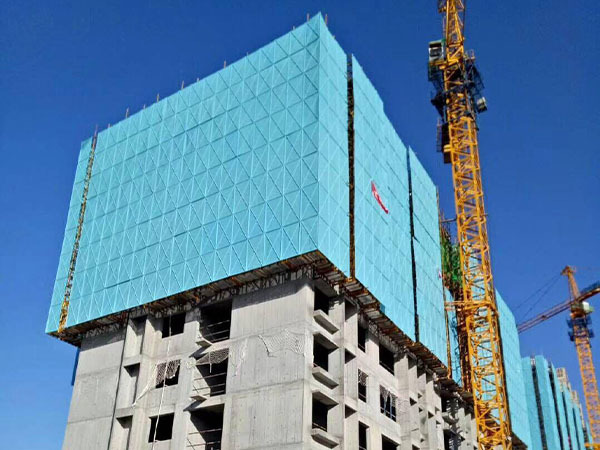
Building crawl nets are more reliable than any other similar equipment
MESSAGES
We will contact you within one working day. Please pay attention to your email.
Quick Link
Contact
WhatsApp: +8613383072766
E-mail: 13785756766@163.com
Address: Xian county,Canghou City, Hebei Province, China